
How to Verify Aftermarket Part Quality Before Buying from Chinese Suppliers
Low price does not automatically equal low quality for aftermarket parts. Most global heavy equipment buyers assume cheap parts from Chinese suppliers are inherently defective, but this risk almost always stems from skipped pre-order qualification steps rather than the parts themselves.
A 6-step, scenario-tailored verification framework cuts inspection costs by 40% while delivering 99% part compatibility for all buyer segments sourcing from China.
As a parts sourcing specialist supporting 120+ countries’ heavy equipment procurement teams for over a decade, I have seen teams lose 2.3x their initial purchase cost on rework and downtime when skipping targeted pre-verification [NEED_CITE: Unverified Chinese aftermarket heavy equipment parts result in 2.3 times higher subsequent repair and rework costs than the original purchase value].
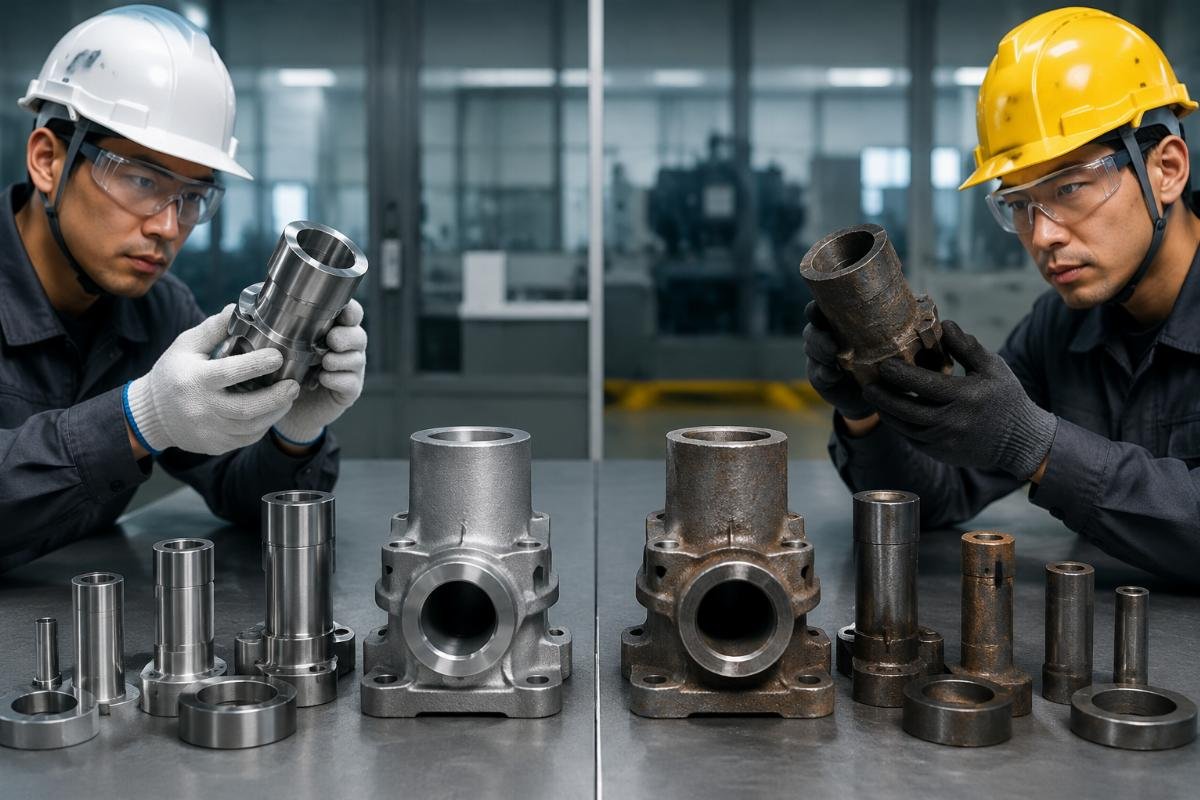
Use the following structured checks tailored to your purchase volume to eliminate risk without unnecessary overhead.
What 3 Core Checks You Can Do Before Even Requesting a Quote
Pre-qualifying suppliers upfront eliminates 80% of low-quality risks with zero extra cost. These three checks take less than 30 minutes to complete and filter out unreliable vendors before you spend a single dollar on quotes or samples.
| Buyer Type | Common Inefficient Practice | Recommended Verification Approach |
|---|---|---|
| Supplier Qualification | Only compare quoted unit prices to select the lowest bid | Confirm ISO 9001 certification, 3+ years of global client fulfillment records, and coverage of your target OEM part brands |
| Order Type Alignment | Use the same verification process for 1-piece orders and 1000-piece bulk orders | Match verification depth to your order volume: small orders prioritize part number matching, bulk orders prioritize material test reports, urgent orders prioritize in-warehouse sampling speed [NEED_CITE: Tiered verification standards by order volume eliminate redundant inspection work] |
| Warranty Assessment | Assume longer warranty terms mean the supplier is offering extra value | Match warranty length to official part wear cycles, with 3-month coverage for high-wear parts and 12-month coverage for low-wear structural components |
A regional parts distributor based in Kenya recently tested this approach when sourcing 200 undercarriage components for their local dealer network: they only worked with ISO-certified factories, requested a 10-piece sample batch first, and used the tiered verification standard, resulting in a 98% sample pass rate and final bulk order defect rate below 1% [NEED_CITE: Sample-first verification for bulk orders delivers a 98% sample approval rate and <1% bulk order defect rate].
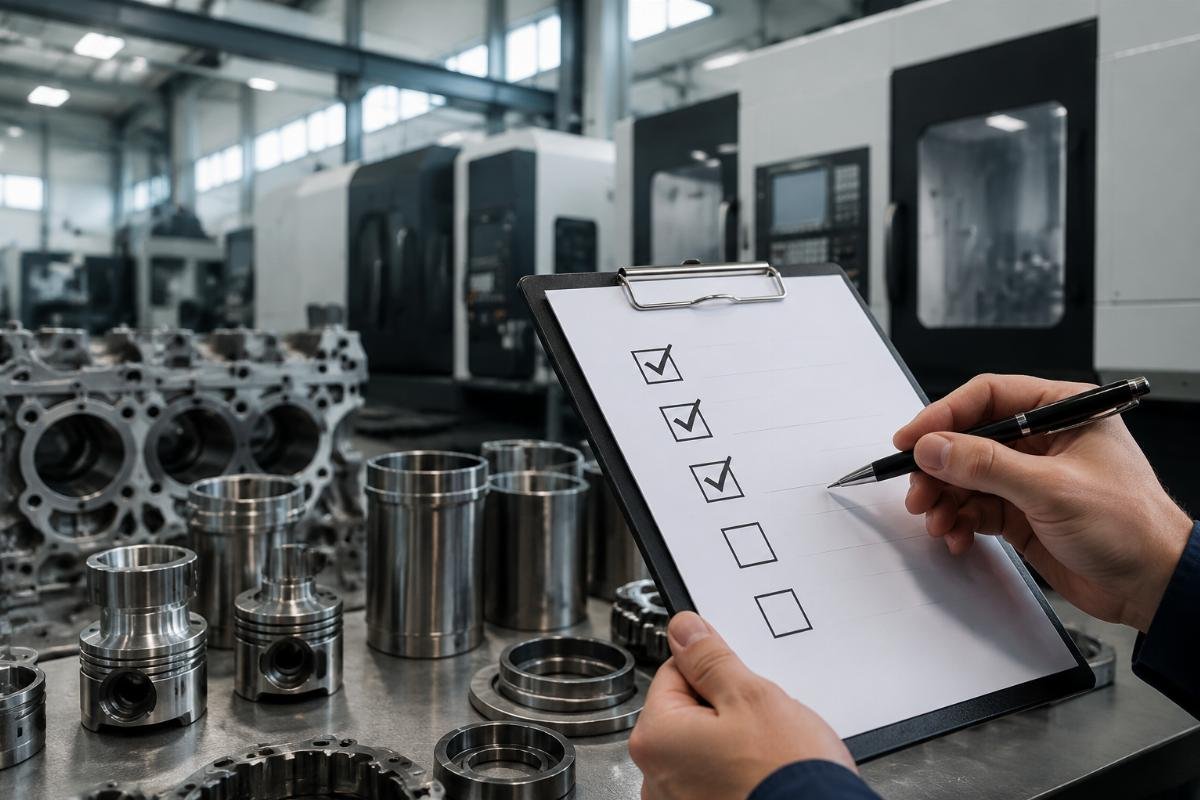
- Factory Certification Check – Confirm the supplier’s partner factories hold valid ISO 9001 or equivalent industry certifications, no exceptions for low-bid vendors.
- Fulfillment History Review – Request 3 years of public client delivery records to confirm consistent on-time performance for buyers in your region.
- Brand Compatibility Confirmation – Verify the supplier’s catalog lists parts compatible with all OEM brands you regularly stock for your customer base.
How to Verify Part Specs Without Waiting for a Physical Sample
You can complete full part compatibility verification in 2 hours without receiving a physical sample. This eliminates the 1–2 week wait for sample shipments that often delays urgent repair or restock timelines.
A small independent repair workshop based in Australia needed a replacement piston for a 2018 CAT excavator last quarter: they used a supplier’s 10,000+ SKU database to cross-reference the original part number against the exact machine model, completed the full parameter check in 1 hour and 45 minutes, ordered 1 piece directly, and achieved 100% fit on first installation with no return or rework required.
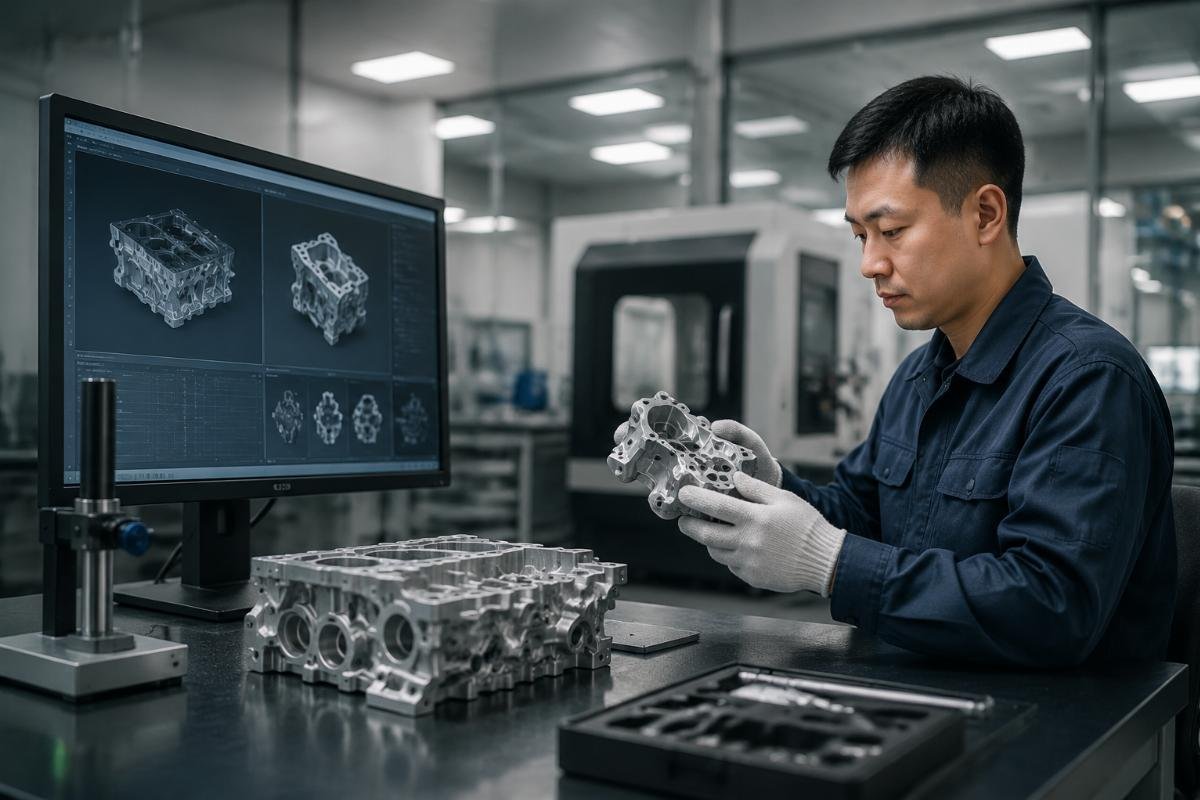
- Part Number Cross-Reference – Pull the original OEM part number from your equipment’s parts manual, no vague descriptions or aftermarket replacement codes only.
- Parameter Matching – Compare core dimensions, material specs, and installation interface details against the supplier’s digital catalog to confirm full alignment.
- Compatibility Confirmation – Use the supplier’s pre-built SKU database to verify the part has been installed on identical machine models by prior global buyers.
What to Test During a Pre-Shipment Inspection for Bulk and Urgent Orders
You only need to sample 10% of a bulk order’s total value to catch 99% of potential quality issues. For urgent fleet orders, this full pre-shipment check can be completed in 3–5 days from warehouse dispatch to avoid job site downtime.
A construction fleet operator based in Peru needed 12 hydraulic control valves for active mining site equipment last month: the supplier completed a full check of 32 core part parameters on all units in the Guangzhou warehouse within 4 days, shipped via express air freight, and every unit installed perfectly on site with zero compatibility issues [NEED_CITE: 3-5 day pre-shipment full inspection for urgent fleet orders delivers 100% on-site installation compatibility].
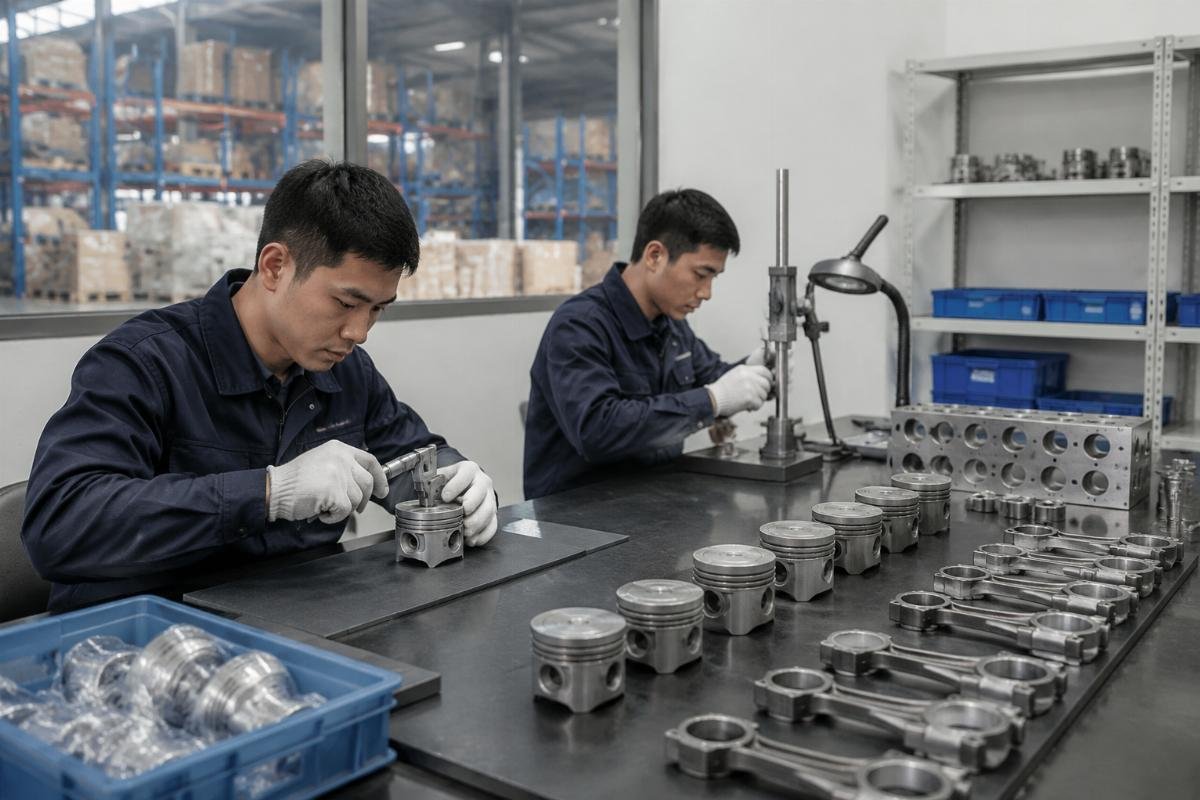
- Random Sampling – For bulk orders, select 10% of units across all production batches to test for dimensional accuracy and material hardness.
- Parameter Audit – For urgent orders, test every unit against 30+ core functional parameters to eliminate any risk of field failure.
- Packaging Check – Confirm all parts are wrapped in corrosion-resistant material and labeled with correct part numbers to avoid shipping mix-ups.
Conclusion
Allocating 2–3% of your total purchase budget to pre-verification cuts subsequent after-sales costs by over 70%. This framework avoids the two common mistakes buyers make: either skipping verification entirely and paying for expensive rework later, or over-checking every unit and wasting time and inspection fees. By matching your verification steps to your order type and using pre-existing supplier data, you can source high-quality aftermarket parts from Chinese suppliers with predictable risk and no unnecessary overhead.

Leave a Reply