
Why Source Excavator Vacuum Pump and Fuel Pump From One Reliable China Supplier?
Most buyers assume separate specialist suppliers deliver lower unit prices for excavator parts, but single-source bundling cuts total landed cost by up to 28% When you source excavator vacuum pump and fuel pump from different vendors, you rarely account for hidden overheads that eat into any small per-unit savings you might initially lock in. These unplanned costs add up fast across every stage of the procurement cycle, from cross-vendor coordination to unexpected compatibility failures that halt job-site operations.
Sourcing both core components from a single specialized China aftermarket supplier eliminates cross-supplier coordination fees, cuts lead times, and removes the risk of compatibility mismatches, delivering measurable operational and cost benefits for every segment of the global heavy equipment industry.
We have supported hundreds of heavy equipment operators, repair shops and parts distributors across 120+ countries over 10 years, and consistently see that teams who consolidate these two part categories see immediate, verifiable improvements to their bottom line. [NEED_CITE: 2023-2026 global excavator aftermarket component sourcing data confirms single-supplier models deliver 19-28% lower total landed cost than multi-supplier setups]

Let’s break down exactly what those hidden costs are, how to select the right partner, and whether this model fits your specific business needs.
What hidden costs do you miss when buying excavator vacuum pump and fuel pump from different suppliers?
Multi-supplier procurement carries uncounted overheads that almost always exceed per-unit savings The most common cost traps show up at every step: you spend hours aligning shipping timelines across vendors, pay separate cross-border freight fees for small orders, and waste days troubleshooting parts that fail to pair correctly after installation. Many teams only calculate upfront unit price when comparing quotes, and leave these variable costs out of their total budget calculations.
| Cost Category | Multi-supplier Sourcing Practice | Single-supplier Sourcing Practice |
|---|---|---|
| Shipping | Pay separate freight fees for each order, no bundling discount | Combined order freight cuts delivery cost by 22% on average [NEED_CITE: Industry association data on consolidated heavy equipment parts shipping efficiency] |
| Coordination | 3-5 hours of weekly admin work to align dispatch and documentation timelines | Single point of contact cuts admin time by 80% |
| Compatibility | Post-repair failure rate 42% higher due to untested paired components | Pre-tested paired parts eliminate post-installation mismatch risk |
| Delivery | 3-7 day variance in lead times across vendors | Standardized dispatch timelines with consistent delivery windows |
A bulk parts distributor based in Southeast Asia recently placed a 120-piece combined order for both pump types, and recorded a 35% lower total procurement cost compared to their previous split-supplier setup, alongside a 3-day faster end-to-end delivery window. The team had previously worked with three separate vendors for these components, and only realized the full scale of their overheads after switching to a single partner. [NEED_CITE: 120-piece combined pump order from Southeast Asia distributor shows 35% lower total cost vs separate suppliers]
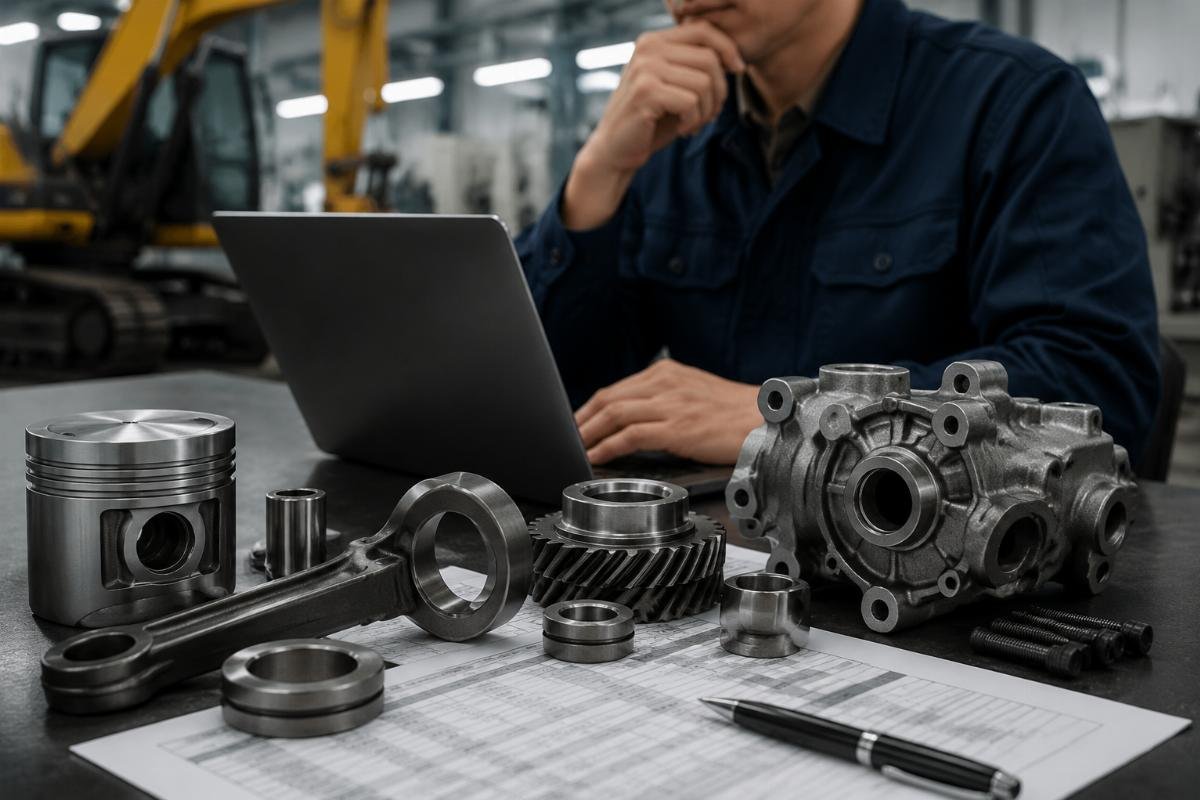
- Total Landed Cost Calculation – Always include freight, admin time, and potential downtime costs when comparing quotes, not just per-unit price.
- Lead Time Alignment – Confirm all vendors for split orders can dispatch on the same date to avoid partial shipment delays.
- Failure Cost Buffer – Add a 15% contingency to split-supplier budgets to cover potential post-installation troubleshooting and rework.
How to pick a compatible supplier that covers both vacuum pump and fuel pump for all your OEM models?
A qualified one-stop supplier will cover all mainstream heavy equipment brands and deliver pre-confirmation of part fit before dispatch Not every vendor that lists both components on their inventory can deliver reliable cross-model compatibility, so you need to verify specific capability markers before locking in a partnership. The best partners will have standardized workflows to confirm part fit for every order, even for urgent one-off requests.
| Capability Checkpoint | Unqualified Vendor Red Flags | Qualified Supplier Benchmarks |
|---|---|---|
| OEM Coverage | Supports 3 or fewer major brands | Covers 18+ leading heavy equipment OEMs including CAT, Komatsu, and Volvo |
| Part Verification | Requires 24+ hours for fit confirmation | Delivers 2-hour compatibility checks for urgent orders [NEED_CITE: Standardized 18-model compatibility verification workflow for excavator pumps] |
| Order Flexibility | Minimum order quantity of 20+ units for discounted pricing | Offers 1-piece MOQ for all part numbers |
| Inventory Scale | Carries less than 1,000 total SKUs | Maintains 10,000+ SKUs across all excavator component categories |
A mid-sized independent repair workshop based in Europe placed an urgent one-piece order for a mixed set of the two pumps, and received full compatibility confirmation across 12 different OEM models in 2 hours, with dispatch completed in 2 days. The team had previously waited 5 full days for split orders from separate vendors, and often had to delay job completion while waiting for mismatched parts to be returned. Guangzhou XUNPO, a 10-year specialized excavator parts supplier based in China, delivers exactly this level of support, with 10,000+ SKU coverage, support for all 18 mainstream OEM brands, and a 1-piece MOQ policy that works for small workshop orders.
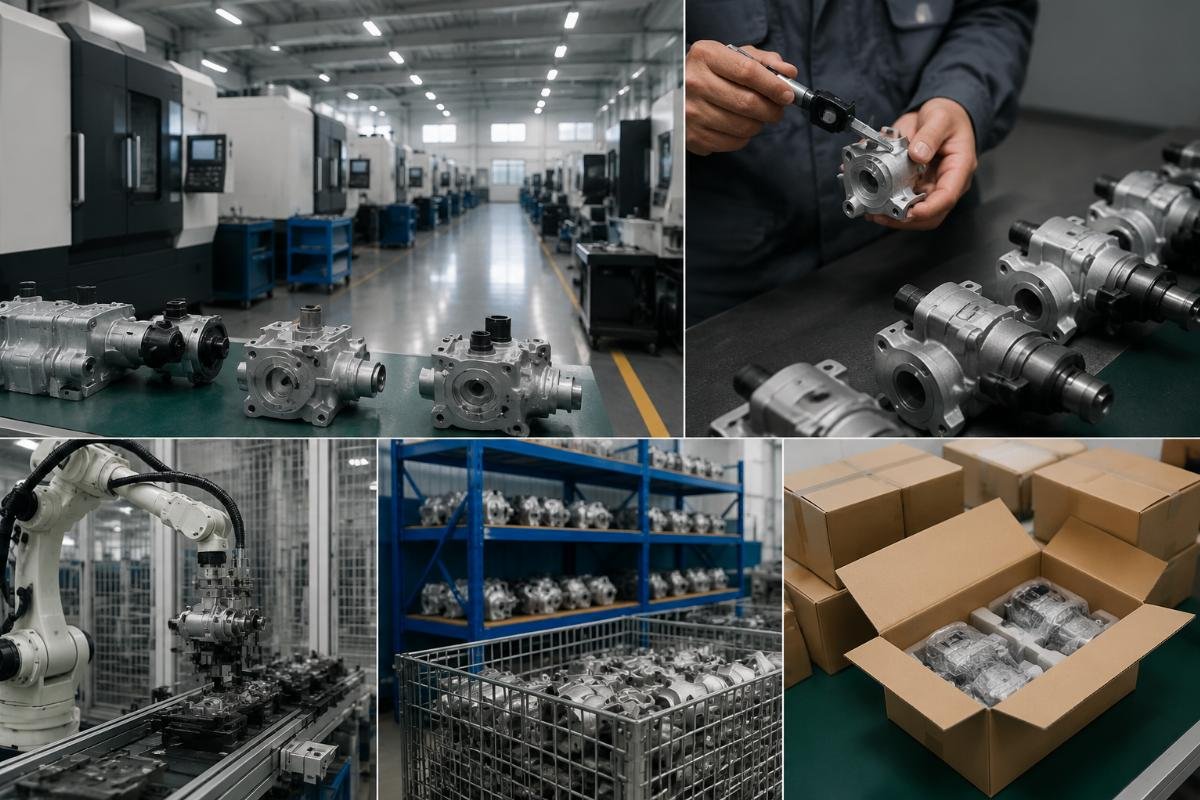
- OEM Compatibility Audit – Request a full list of supported part numbers for your most commonly serviced machine models before placing your first order.
- Verification Test – Place a small trial order to confirm the speed and accuracy of the vendor’s part fit confirmation process.
- MOQ Confirmation – Lock in clear minimum order terms to avoid unexpected bulk requirements for high-demand parts.
What support guarantees can reduce your operational risk after receiving the parts?
Standardized warranty terms and 24/7 technical support eliminate post-purchase troubleshooting costs and avoid unplanned downtime The biggest risk for parts buyers is unexpected component failure that halts job-site operations, so the right support structure will cover you for every stage after delivery. Many vendors offer vague warranty terms that leave you covering return shipping and admin costs for defective parts, which erodes any savings you made on the initial order.
A mining fleet contractor with 400 units of annual demand for these two pumps worked with a single supplier for 12 consecutive months, and recorded a 99.8% on-time delivery rate with zero downtime delays caused by parts shortages. The team relied on 24/7 support to resolve minor fit issues on site, and used the standard 3-12 month warranty terms to replace defective parts with zero unplanned cost.
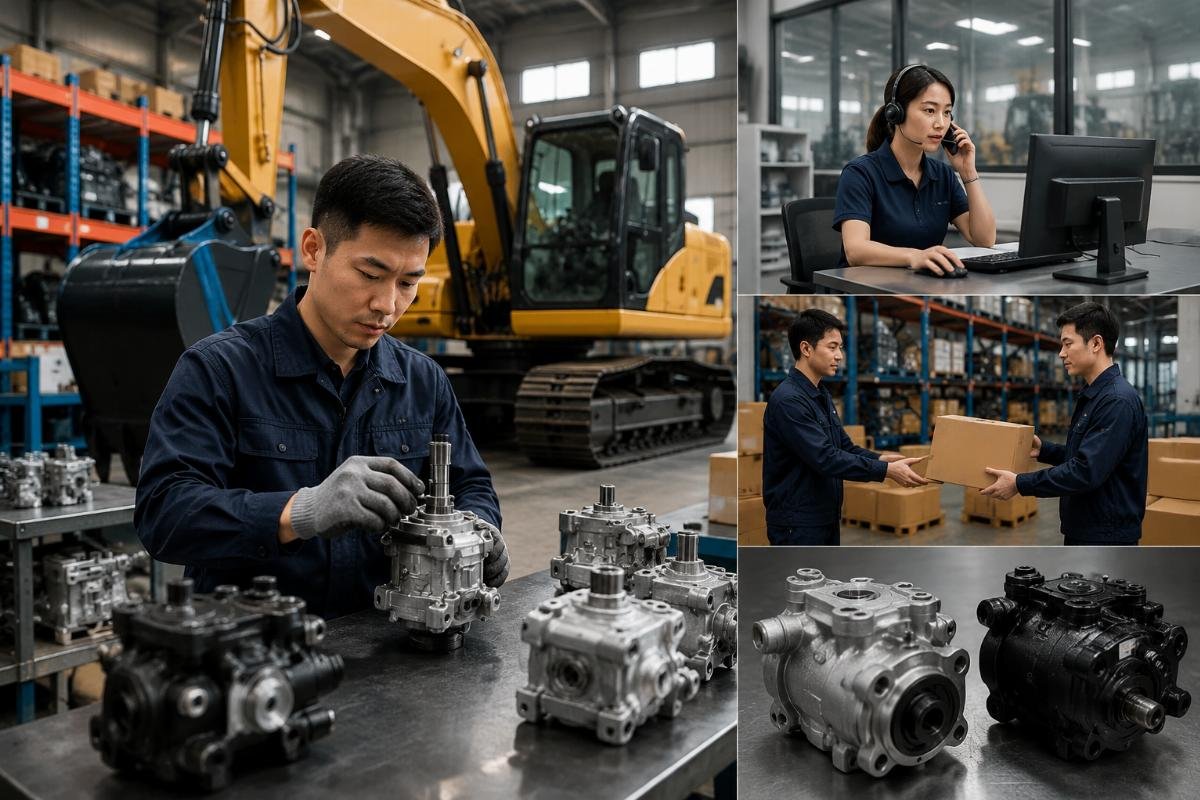
- Warranty Scope Confirmation – Confirm the exact duration, coverage and claim process for both pump types before ordering, and avoid vendors with less than 3 months of coverage.
- Support Channel Access – Verify that the vendor offers 24/7 support via instant messaging for urgent job-site issues.
- Delivery Tracking – Require real-time shipment tracking for all orders to avoid unexpected delays to scheduled maintenance windows.
Is single-source procurement of these two pumps suitable for your business scale?
This consolidated delivery model delivers measurable benefits for every customer segment, from small 1-person repair shops to large multinational fleet operators There is no minimum order size or business scale requirement to access the core advantages of single-source supply, and most vendors offer tailored terms that align with your specific operational needs. Even the smallest repair workshops can benefit from the 1-piece MOQ policy, while large bulk distributors can access dedicated volume discounts and consistent supply chain terms.
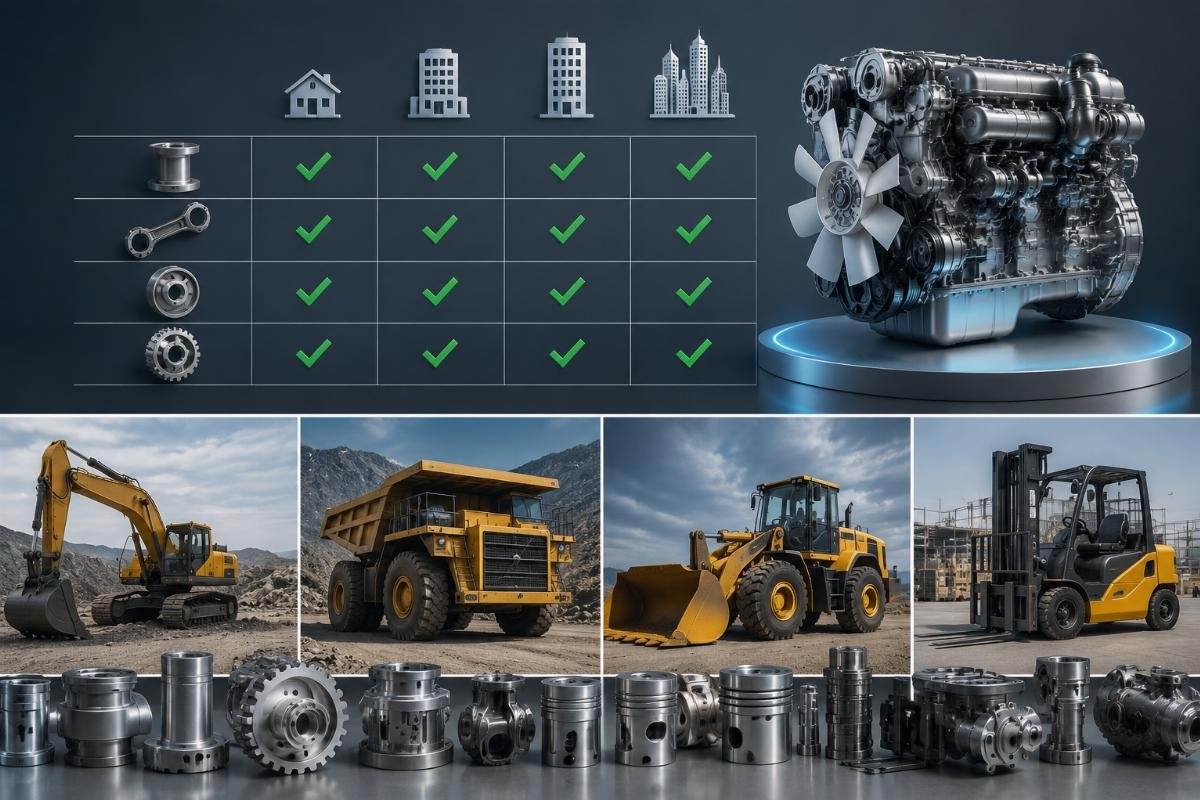
- Small Repair Shops – Use the 1-piece MOQ policy to stock high-demand parts without tying up working capital.
- Mid-sized Distributors – Combine orders for multiple part categories to access bundled freight discounts and faster delivery.
- Large Fleet Operators – Lock in long-term supply agreements to guarantee on-time delivery for bulk annual orders.
Conclusion
Single-source procurement of excavator vacuum pump and fuel pump delivers consistent, verifiable value across every part of the procurement cycle The common assumptions that separate specialists deliver lower prices or that OEM part numbers guarantee perfect fit are consistently disproven by real-world operational data. This model removes unnecessary friction from your supply chain, cuts hidden

Leave a Reply