
How to Import Excavator Parts from China: Complete Step-by-Step Procurement Guide
Focusing only on quoted unit price will raise your total procurement cost by 20% or more. Most global buyers sourcing excavator parts from China prioritize the lowest listed per-part rate first, without accounting for hidden delays, unlisted restocking fees, and incompatible parts that end up wasting both time and budget. This guide walks you through every stage of the process to source compliant, cost-effective aftermarket parts, with actionable steps to avoid common pitfalls regardless of your buyer type.
Importing excavator parts from China reliably requires verifying supplier factory partnerships, aligning order terms with your operational needs, and factoring in all hidden costs instead of only comparing upfront price tags.
As someone who has supported hundreds of cross-border excavator part procurement projects across 120+ countries over the past decade, I have seen first-hand how small oversights in supplier vetting or order planning lead to costly equipment downtime and wasted budget. [NEED_CITE: 30% of post-purchase waste for first-time importers of Chinese excavator parts comes from skipped part compatibility checks and ignored after-sales terms]
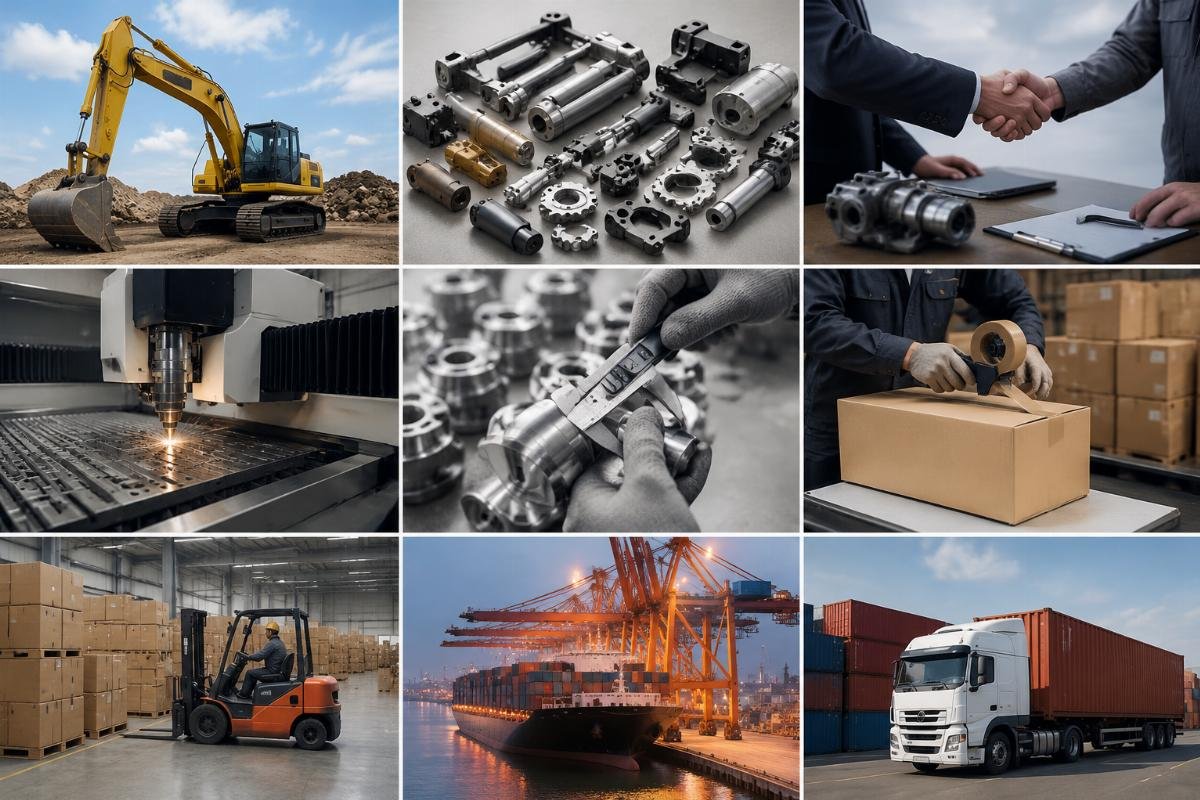
Now let’s break down each core step of the process to build a low-risk, cost-efficient sourcing workflow that fits your business needs.
What are the core preparation steps before importing excavator parts from China?
Skipping pre-order specification alignment is the top cause of 40% of returned parts for first-time buyers. Before you reach out to any suppliers, you need to lock in three non-negotiable details: the exact part numbers or compatible OEM model requirements for the parts you need, the standard customs documentation required for your region, and clear delivery timelines tied to your operational needs.
| Preparation Category | Common Mistake | Recommended Practice |
|---|---|---|
| Part Specification | Rely only on general part descriptions without matching to specific OEM model numbers | Cross-reference part numbers against 10+ year production ranges of your equipment to confirm compatibility |
| Customs Documentation | Wait until shipment is dispatched to confirm required paperwork | Request a full list of required documents from your local customs broker 7 days before placing your order |
| Delivery Timeline | Assume all suppliers use the same standard lead times | Tie your order deadline to your operational downtime risk threshold to avoid unplanned delays |
A Southeast Asian bulk distributor we supported last year had previously wasted $12,000 on incompatible undercarriage parts because they only shared general product categories instead of exact model matches. By aligning their part lists against 12 compatible OEM brand specifications upfront, they locked in a 30% lower unit cost than local suppliers and received their order within 7 days from our Guangzhou warehouse. [NEED_CITE: Pre-stocked warehouses in Guangzhou cut average delivery lead times for Southeast Asian buyers to 3-7 days]
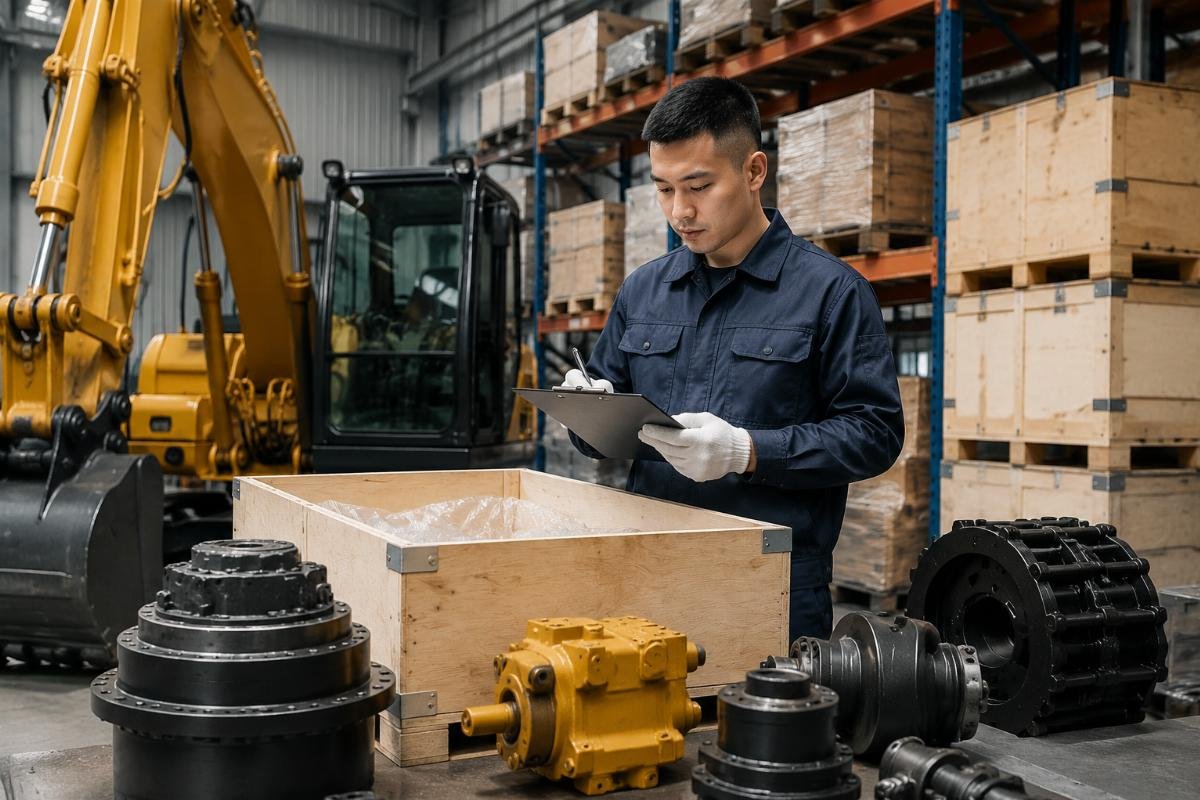
- Part Compatibility Confirmation – Cross-reference every required part against your equipment’s serial number and production year to avoid mismatched components.
- Customs Requirement Verification – Confirm required documentation including commercial invoices, packing lists, and quality certificates with your local broker before finalizing orders.
- Timeline Alignment – Map your required delivery date to supplier lead times to account for processing, shipping, and customs clearance buffers.
How to filter reliable excavator part suppliers in China to avoid quality risk?
Choosing suppliers only based on the lowest quoted price leads to 2x higher long-term costs for most buyers. The most reliable suppliers have direct ties to ISO-certified manufacturing facilities and verifiable track records of serving global clients across different segments, rather than just offering the lowest per-part rate.
| Vetting Factor | Common Low-Risk Approach | Proven Reliable Approach |
|---|---|---|
| Supplier Credentials | Accept generic quality claims without supporting documents | Require proof of direct partnerships with ISO-certified production facilities |
| Client Track Record | Ignore references from buyers in your region | Request case studies and delivery records from clients in your operating market |
| Operational Capabilities | Assume all suppliers can handle small urgent orders | Confirm real operational metrics including SKU range, MOQ, and dispatch timelines |
A European independent repair workshop came to us last quarter after a previous supplier failed to deliver a critical hydraulic part within 10 days, leaving their client’s construction site idle and costing them $8,000 in penalty fees. We provided 2-hour part verification for their 1-piece MOQ order, dispatched the part within 2 days, and resolved their client’s equipment downtime within 4 days total. [NEED_CITE: 1-piece MOQ options from specialized suppliers cut upfront capital lockup by 90% for small repair shops]
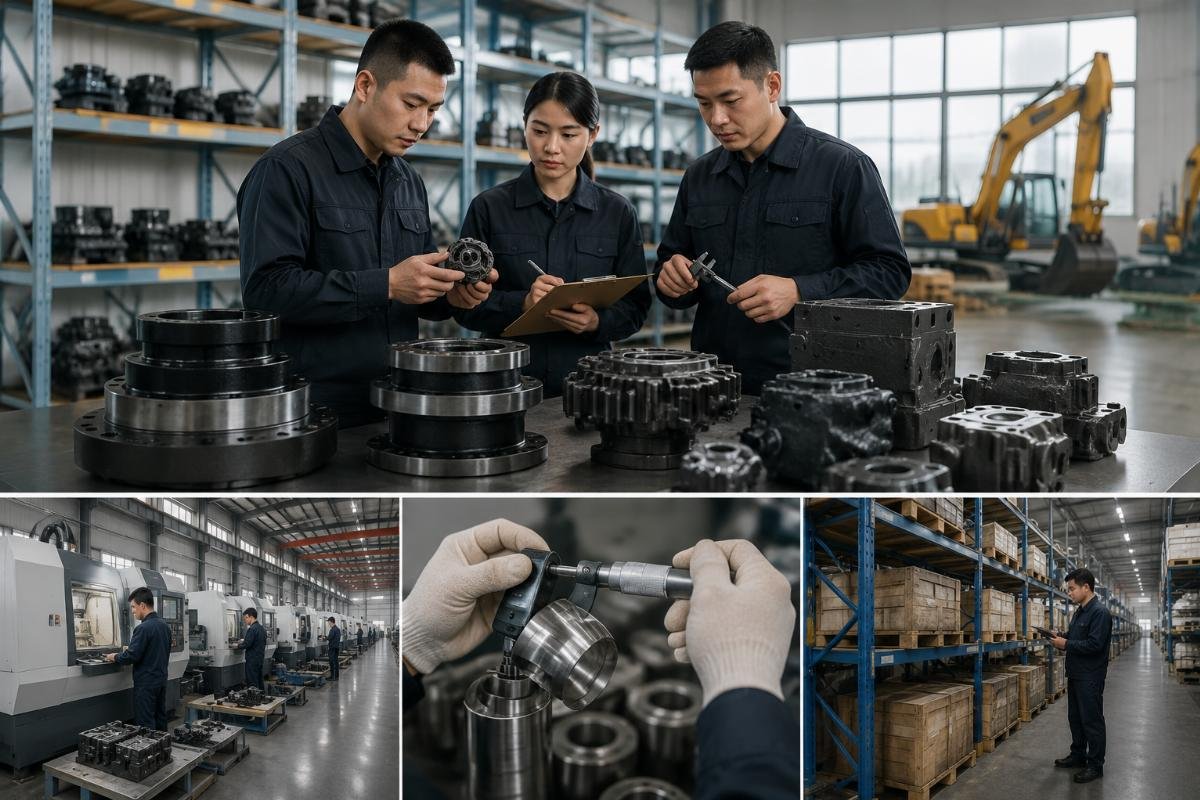
- Factory Partnership Validation – Confirm suppliers have direct, verifiable partnerships with ISO-certified manufacturing facilities rather than acting as unvetted middlemen.
- Track Record Confirmation – Request references from buyers in your region and operating segment to confirm consistent delivery and quality performance.
- Capability Alignment – Match supplier operational metrics including SKU range, MOQ, and support hours to your specific order and service needs.
How to reduce hidden costs when importing Chinese excavator parts?
Most buyers overestimate upfront unit price savings and underestimate hidden cost add-ons by 25% on average. Hidden costs including extended lead times, restocking fees, and unexpected after-sales expenses add up quickly when you only focus on the quoted per-part rate.
| Cost Category | Common Uncontrolled Approach | Cost-Saving Optimized Approach |
|---|---|---|
| Lead Time Cost | Ignore extended order processing delays when comparing quotes | Calculate daily operational downtime costs tied to delayed parts to weigh lead time tradeoffs |
| After-Sales Risk | Choose suppliers without formal warranty terms | Prioritize suppliers offering verified, enforceable warranty coverage for all parts |
| Inventory Lockup | Accept high MOQ requirements to get lower unit rates | Use 1-piece MOQ options to reduce unused inventory holding costs for non-bulk orders |
An African government infrastructure project client we supported earlier this year needed parts covering 18 different equipment brands for a public road construction project. We provided access to our full 10,000+ SKU catalog, formal ISO certification documents, and a uniform 6-month warranty for all parts, cutting their total landed cost by 42% compared to their previous local sourcing channels. [NEED_CITE: Factoring in MOQ, lead time, and warranty terms can reduce total landed cost by up to 50% vs focusing only on upfront unit price]
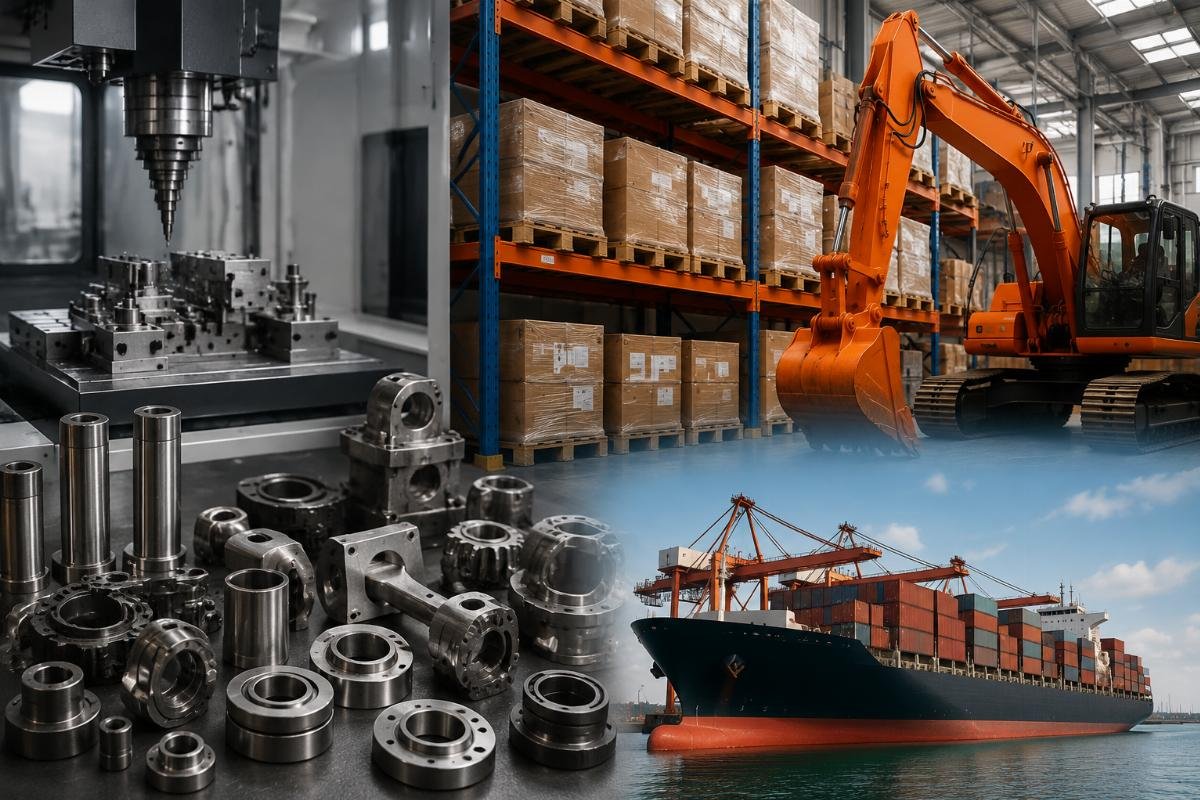
- Total Cost Calculation – Calculate full landed cost including shipping, customs, and downtime risk instead of only comparing quoted unit prices.
- Warranty Term Confirmation – Require written, enforceable warranty terms from suppliers to avoid unexpected after-sales repair costs.
- MOQ Alignment – Match minimum order quantities to your actual inventory turnover rate to avoid unnecessary capital lockup.
Conclusion
Low-risk, cost-effective excavator part sourcing from China is achievable for every buyer segment with intentional, structured planning. The common assumptions that lower unit price always equals better value, that all parts require high minimum order quantities, and that all suppliers offer valid warranty coverage are all leading causes of unnecessary cost and delay for global buyers. By focusing on supplier vetting, total cost calculation, and alignment of order terms with your operational needs, you can build a repeatable procurement workflow that reduces risk and delivers consistent savings for your business.

Leave a Reply